Understanding
Human Trafficking
Traffickers don’t just steal bodies. They steal trust,
freedom, and futures.
Human Trafficking -
It’s Not What You Think. It’s Worse.
Human trafficking is the exploitation of people through force, fraud, or coercion for labor or sex,
stripping them of freedom for profit.
Myth:
Traffickers are
strangers who
kidnap victims.
Myth:
Only young girls are
trafficked.
Myth:
Buying sex is a victimless crime.
Myth:
Rescue is the end of a survivor’s journey.
Myth:
You can always spot
a trafficking victim
—they’re locked up
or chained.
Myth:
Traffickers only
operate in dark
alleys and shady motels.
Fact:
Most traffickers are people the victims know—friends, family, or even romantic partners.
Fact:
Trafficking affects all genders, ages, and backgrounds—men, women, and children.
Fact:
Buying sex directly supports trafficking, trapping victims in exploitation and inflicting lasting harm on them and their families.
Fact:
Without safe housing, mental health support, and financial stability, survivors remain vulnerable to re-exploitation.
Fact:
Most victims appear “free” but are controlled through fear, threats, and physical and psychological abuse.
Fact:
Social media, dating apps, and even job postings are common tools traffickers use to recruit victims.
Where Does it Happen?
It’s Everywhere
Think trafficking only happens in far-off places? Think again. The U.S., one of the wealthiest nations on Earth, is a major hunting ground for traffickers. It’s a multi-billion-dollar industry thriving in the shadows of everyday life. And the worst part? It survives because people assume it’s ‘somewhere else. The crime isn’t just crossing borders, it’s thriving in our own.
Every City. Every Suburb. Every Screen.

Disclaimer: Many of these cases go unreported.
Countless Lives Stolen.
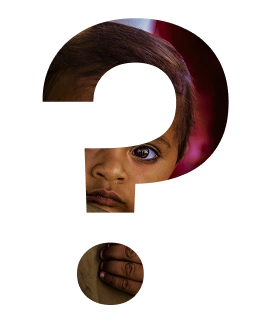
A symbol of the unknown, the unseen, the uncounted. Human trafficking is the most underreported crime in the world, making it nearly impossible to know the true number of victims. Every missing report, every untold story, every silent survivor adds to the staggering reality we may never fully grasp. Its estimated that over 27 million people are trapped in modern slavery worldwide. The real number? It could be far higher. Because when a crime thrives in silence, the truth remains just a question.
Every 30 seconds, another victim is trafficked.
Traffickers profit. Survivors are left with nothing.
Human trafficking hides
We’re bringing it to light.
Human Trafficking Uncovered
Common Tactics
1
2
3
4
Step 1 – Targeting the Vulnerable
Traffickers don’t randomly choose victims—they look for opportunity.
• They seek out people facing financial struggles, homelessness, or family issues.
• They prey on those experiencing emotional distress, loneliness, or instability.
• They recruit in everyday places—schools, malls, social media, workplaces, or even within families.

1
Step 2 – Building Trust & Dependency
They don’t start with threats, they start with care.
• They act as a protector, provider, or even a romantic partner.
• They offer love, job opportunities, shelter, or financial help.
• They create emotional or financial dependence, making escape seem impossible.
2
Step 3 – Manipulating & Isolating
Once trust is gained, they begin controlling the victim’s life.
• They cut off family, friends, and support systems.
• They shift from kindness to control—using guilt, threats, or shame.
• They introduce drugs, violence, or debt to trap victims further.
3
Step 4 – Exploitation & Control
Now, the victim is trapped in a cycle of abuse.
• They force or pressure victims into sex work, often through threats or coercion.
• They use violence, blackmail, or withholding basic needs to maintain control.
• They convince victims they have no way out—or no one will believe them.
4